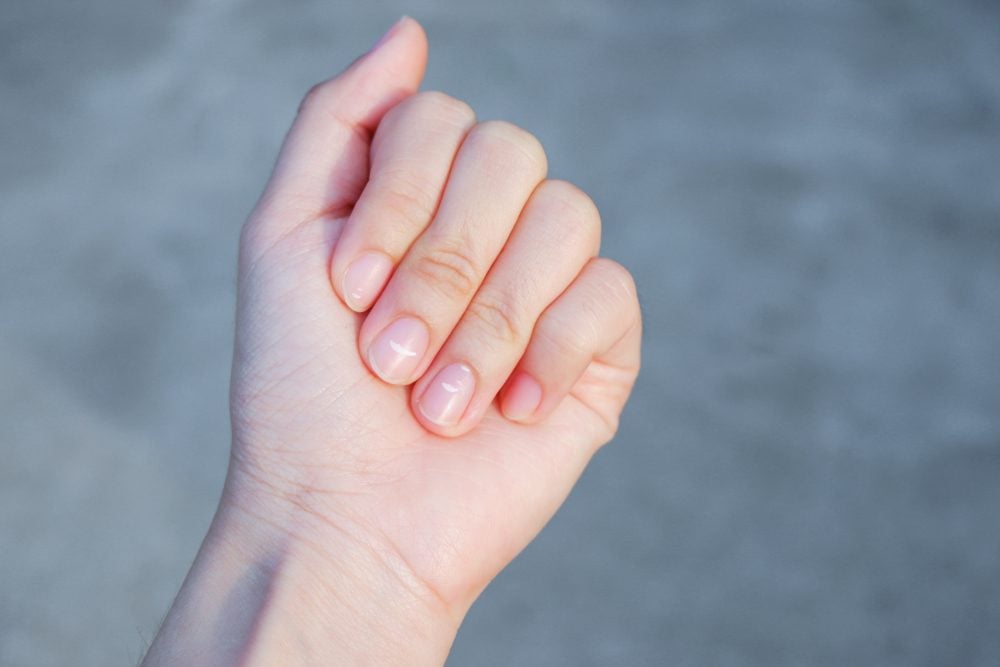
You’ve likely noticed them before: small, bright white spots or lines on your fingernails or toenails. Often appearing out of nowhere, they have sparked countless childhood myths, with many being told they signaled a lie or a forthcoming gift. In reality, these spots have a medical name: leukonychia. While usually harmless, they can sometimes hint at your overall health. Let’s demystify these common nail markings.
What is Leukonychia?
Leukonychia is the medical term for white discoloration of the nail. It comes in a few forms:
- Punctate Leukonychia: The most common type, appearing as small white spots or dots.
- Striate or Longitudinal Leukonychia: Presents as white lines running parallel to the nail base or along the length of the nail.
- Total or Partial Leukonychia: Where a larger portion or the entire nail turns white, which is rarer and more often linked to systemic conditions.
These white marks occur due to minor disruptions in the keratinization process—the way new nail cells form and harden at the matrix (the nail’s hidden “root”). When tiny pockets of air or partially keratinized cells get trapped in the nail plate, they appear white as light scatters through them.
What Causes These White Spots?
Contrary to popular folklore, the causes are almost always mundane. The top culprit is minor, often unnoticed trauma or injury to the nail matrix. Think about bumping your fingernail against a desk, aggressive manicuring, or habitual nail biting. For children, this is the most frequent cause.
Other potential reasons include:
- Nutritional Deficiencies: While less common in well-nourished individuals, severe deficiencies in zinc, calcium, or protein can sometimes manifest as leukonychia.
- Allergic Reactions: Certain nail polishes, hardeners, or acrylic nails can cause a mild allergic reaction, leading to white spots.
- Fungal Infections (Onychomycosis): A mild fungal infection can sometimes begin with white spots, particularly on toenails.
- Certain Medications and Illnesses: In rare cases, leukonychia can be associated with heavy metal poisoning, chemotherapy, or systemic diseases like kidney failure or heart disease. This usually involves more extensive whitening.
Prevention and Care
For the common trauma-induced spots, prevention is straightforward:
1. Handle with Care: Be mindful of your nails. Wear gloves for household chores and gardening.
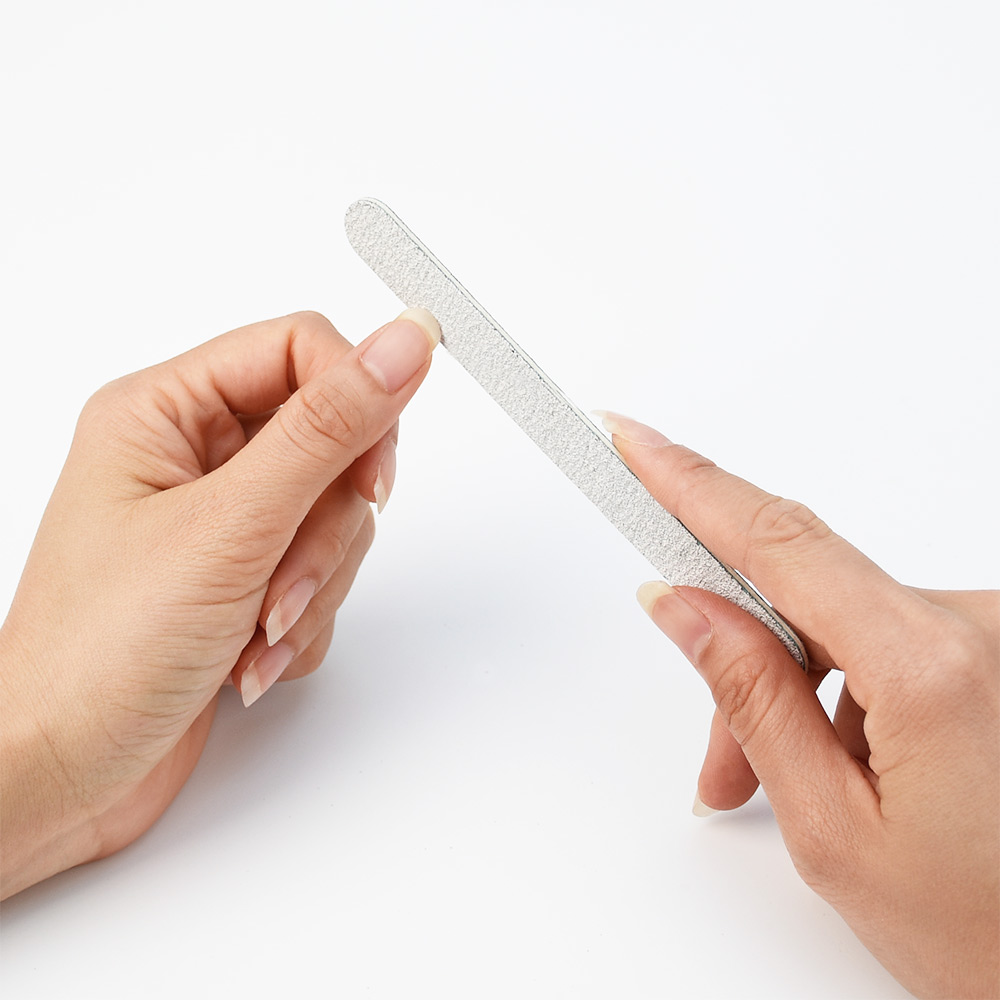
2. Practice Gentle Manicures: Avoid cutting or pushing back your cuticles aggressively, as this can injure the matrix. Use fine-grit nail files and don’t buff nails too harshly.
3. Break Bad Habits: Try to stop biting your nails or picking at the skin around them.
4. Choose Products Wisely: Use acetone-free polish removers and consider giving your nails a break from polish and artificial nails periodically.
5. Maintain a Balanced Diet: Ensure you get enough vitamins and minerals through a diet rich in vegetables, fruits, lean proteins, and whole grains.
What About Treatment?
The crucial thing to remember is that the white spot itself is not treated. It is a mark in the already-formed nail plate, akin to a ink stain on a piece of paper. The only “cure” is time—as your nail grows, the spot will naturally move upward and eventually be trimmed off. This can take several months for fingernails and over a year for toenails.
However, if you suspect an underlying cause:
- See a Dermatologist: If the spots are widespread, recurring without trauma, or accompanied by other nail changes (like thickening, crumbling, or color changes), consult a doctor.
- Treat the Root Cause: If a fungal infection is diagnosed, antifungal treatments will be needed. If a nutritional deficiency is suspected, a doctor can recommend tests and supplements.
Building a Foundation for Healthy Nails
Ultimately, healthy nails start from within. To promote strong, clear nails:
- Stay Hydrated: Drink plenty of water.
- Eat Nutrient-Rich Foods: Focus on biotin (eggs, nuts), zinc (meat, legumes), iron (leafy greens, red meat), and protein.
- Keep Nails Clean and Dry: This prevents bacteria and fungi from growing underneath.
- Moisturize: Just like your skin, your nails and cuticles need hydration. Apply hand cream and cuticle oil regularly.
- Observe: Your nails can be a window to your health. Noticeable changes in color, texture, shape, or thickness that persist warrant a professional opinion.
In summary, those little white spots are mostly just souvenirs of minor bumps in life’s road. By understanding their causes, practicing gentle nail care, and supporting your body with good nutrition, you can keep your nails looking and feeling their best. Pay attention, but don’t panic—most often, the only action required is a little patience as your nails grow.
Read also: Tips for Caring for Cuticles and Beautifying Hands