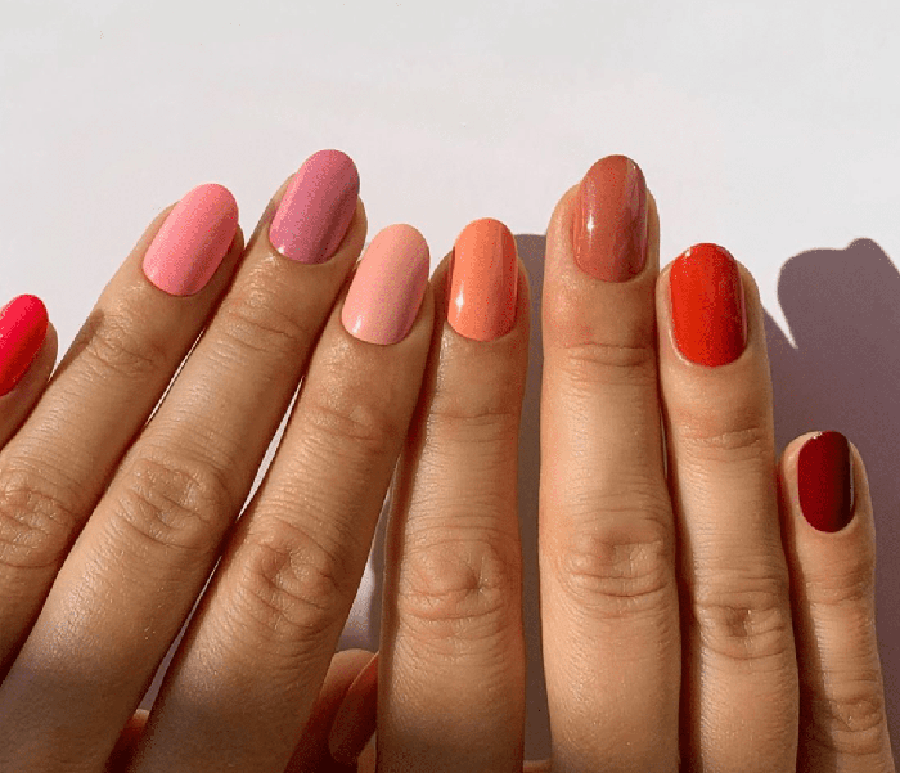
Artificial nails have become one of the most popular beauty services in the world. They can add length, strength, and style to natural nails that are short, weak, or simply unable to grow. But artificial nails are not a one-size-fits-all solution. Choosing the right type and caring for them properly makes a huge difference in both appearance and nail health.
Who Are Artificial Nails Suitable For?
Artificial nails are suitable for a wide range of people, but they are especially helpful for certain groups.
They are ideal for people with short or bitten nails who want a longer, more elegant look. They are also a good option for anyone with weak, brittle, or peeling nails that break before they reach a comfortable length. Artificial nails can protect the natural nail underneath while it grows.
They are also popular for special occasions such as weddings, parties, holidays, and photo shoots. When you want flawless nails for a specific event, artificial enhancements can deliver a polished result that lasts for weeks.
People who work with their hands or have busy lifestyles often choose artificial nails because they are more durable than regular polish. A good set can survive typing, cooking, cleaning, and daily wear without chipping.
However, artificial nails are not right for everyone. If you have a fungal infection, an ingrown nail, open cuts, or irritated skin around the nails, you should wait until the area heals. People with diabetes, poor circulation, or a history of allergic reactions to nail products should consult a doctor or dermatologist before getting enhancements. A patch test is also wise if you have sensitive skin.
Acrylic vs. UV Gel: How to Choose
The two most common types of artificial nails are acrylic and UV gel. Both can create beautiful results, but they have different strengths and weaknesses.

Acrylic nails are made by mixing a liquid monomer with a powder polymer. The mixture forms a soft bead that hardens in the air. Acrylic is extremely strong, durable, and long-lasting. It is the best choice for dramatic length, extreme shapes, and clients who are hard on their hands. Acrylics are also generally more affordable than gels. However, they have a strong chemical odor during application, are less flexible, and must be filed off or filled regularly. Improper removal can damage the natural nail.
UV gel nails use a pre-mixed gel that is applied in layers and cured under a UV or LED lamp. Gel is more flexible and lighter than acrylic, giving a more natural feel. It is odorless and often looks glossier and more natural. Soft gel can be soaked off with acetone, which is gentler than filing. However, gel is not as strong as acrylic and may not be ideal for very long extensions or heavy wear. Hard gel must be filed off and cannot be soaked.
So how do you choose? If you want maximum strength, dramatic length, and durability, choose acrylic. If you want a natural look, a lighter feel, and easier removal, choose UV gel. If you want a hybrid option, polygel combines the strength of acrylic with the flexibility of gel and is often more beginner-friendly.
The Artificial Nail Process: Step by Step
A professional artificial nail service follows a clear sequence.
It begins with a consultation. The technician discusses your desired length, shape, and style and checks the condition of your natural nails.
Next comes preparation. Old polish is removed, hands are sanitized, and cuticles are gently pushed back. The natural nail surface is lightly buffed to remove shine, then cleansed with a dehydrator to remove oils. A primer may be applied for extra adhesion.
If you are getting extensions, the technician will apply tips or forms. Tips are pre-shaped plastic extensions glued to the natural nail. Forms are temporary guides placed under the free edge, allowing the technician to sculpt the extension from scratch.
Then the product is applied. For acrylics, the technician dips a brush into liquid monomer and powder to form a bead, then sculpts it onto the nail. For gel, thin layers of gel are brushed on and cured under a lamp between each layer. The technician builds the apex, shapes the sidewalls, and creates a smooth surface.
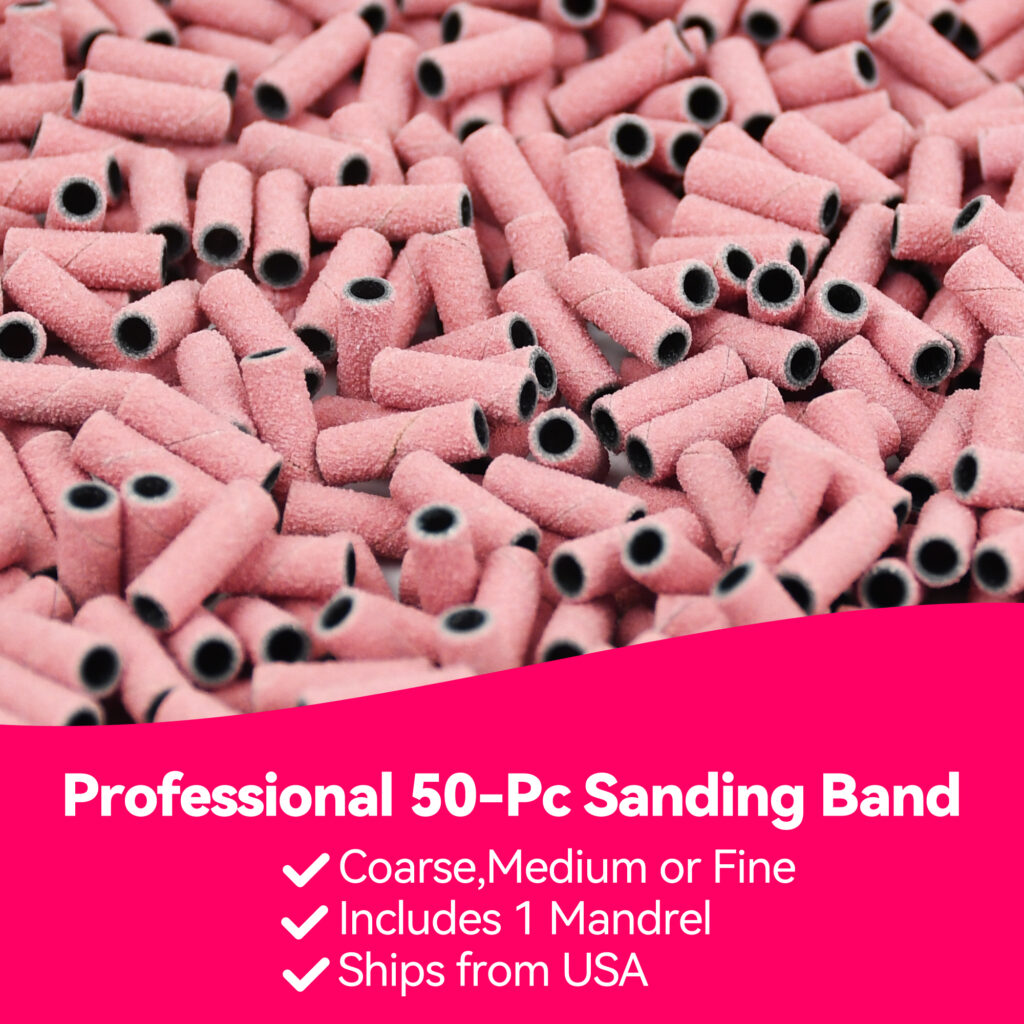
Once the product has hardened or cured, use mini sanding bands to trim and shape the nail tip to the desired contour, then buff the surface. Finally, you may apply a base coat, color layer, and top coat, or leave the nail tip in its natural state with a clear finish.
The appointment usually takes one to two hours, depending on the type and design.
Tips to Improve Your Nail Experience
A few simple habits can make your artificial nail experience safer, more comfortable, and longer-lasting.
Choose a licensed, experienced technician and a salon with strict hygiene standards. Look for sterilized tools, fresh files, and clean workstations. If you have concerns about hygiene, you can choose to use disposable nail supplies.
Communicate clearly. Bring reference photos and explain the length, shape, and color you want. If something feels uncomfortable during the service, speak up immediately.
Arrive with clean, bare nails. Remove old polish before your appointment to save time and reduce the risk of product contamination.
Do not bite, pick, or peel your artificial nails. This is the fastest way to damage your natural nails and ruin the enhancement. If a nail lifts or breaks, contact your technician for a repair.
Apply cuticle oil daily and wear gloves for dishes and cleaning. Moisturize your hands regularly. Avoid using your nails as tools for opening cans or peeling stickers.
Schedule fills every two to three weeks. Regular maintenance keeps the structure balanced and prevents lifting. Take breaks between sets to let your natural nails recover. Always remove artificial nails properly—never peel them off.
Finally, protect your skin from UV lamps by applying sunscreen to your hands before curing, or wear fingerless UV-protective gloves.
Artificial nails can be a wonderful way to express your style and enjoy strong, beautiful nails. With the right type, a skilled technician, and consistent aftercare, you can enjoy your enhancements while keeping your natural nails healthy.
Read also: How to Safely Remove False Nails: Effective Methods, Aftercare, and When to See a Pro