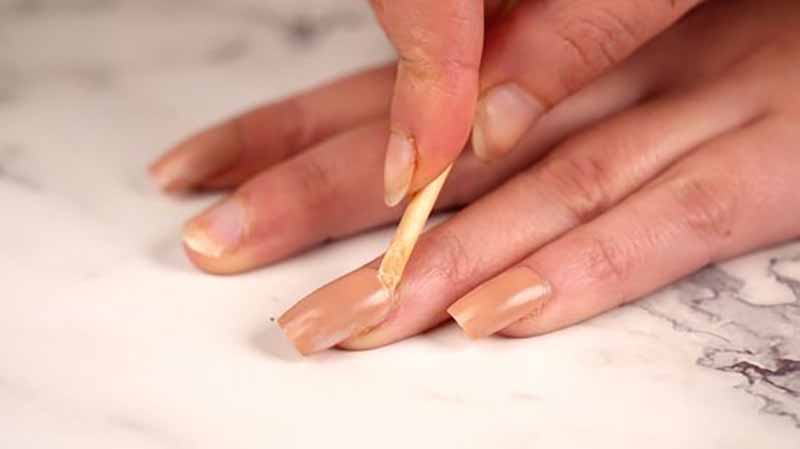
Let’s be honest: that moment when a false nail starts lifting at the edge, the temptation to peel it off is almost overwhelming. I’ve been there. A quick tug, a satisfying pop, and it’s off. But what follows is far less satisfying—thin, damaged, painful nails that take months to recover.
Peeling off false nails is the fastest way to ruin your natural nail plate. It pulls off layers of your nail along with the enhancement, leaving them weak, sensitive, and prone to breaking. The good news is that safe removal is simple, and it protects the health of your natural nails.
Here are three effective methods for removing false nails, what to do after removal, and when to seek professional help.
Method 1: The Warm Soapy Water Soak (For Press‑On Nails with Adhesive Tabs)
This is the gentlest method, perfect for press‑on nails applied with adhesive tabs rather than glue.
What you’ll need: A bowl of warm water, a mild soap or dish soap, cuticle oil, a wooden stick, and a towel.
Steps:
- Fill a bowl with warm (not hot) water and add a few drops of mild soap.
- Soak your nails for 10–15 minutes. The warm water softens the adhesive, making it easier to remove.
- Gently lift the edge of the press‑on using a wooden stick. If the nail resists, soak for another 5 minutes.
- Once the nail lifts, gently peel it off from the side.
- Apply cuticle oil to rehydrate your nails and surrounding skin.
Do not: Soak for more than 20 minutes. Over‑softening the skin can cause irritation. Never use metal tools to pry—they can gouge the nail bed.
Method 2: The Acetone Soak (For Glue‑On Press‑Ons, Gel, and Acrylics)
This is the most effective method for removing false nails attached with nail glue, soft gel, or acrylics. Acetone breaks down the adhesive and the enhancement material.
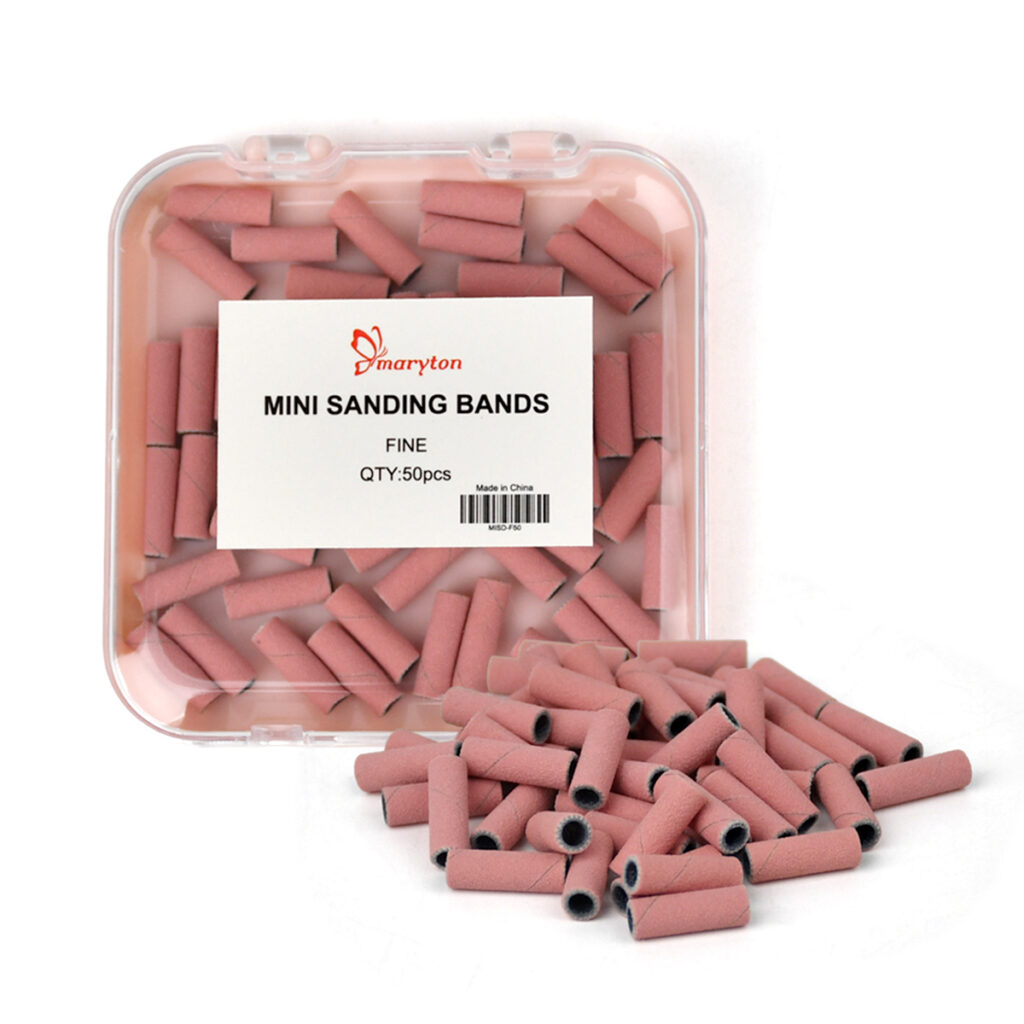
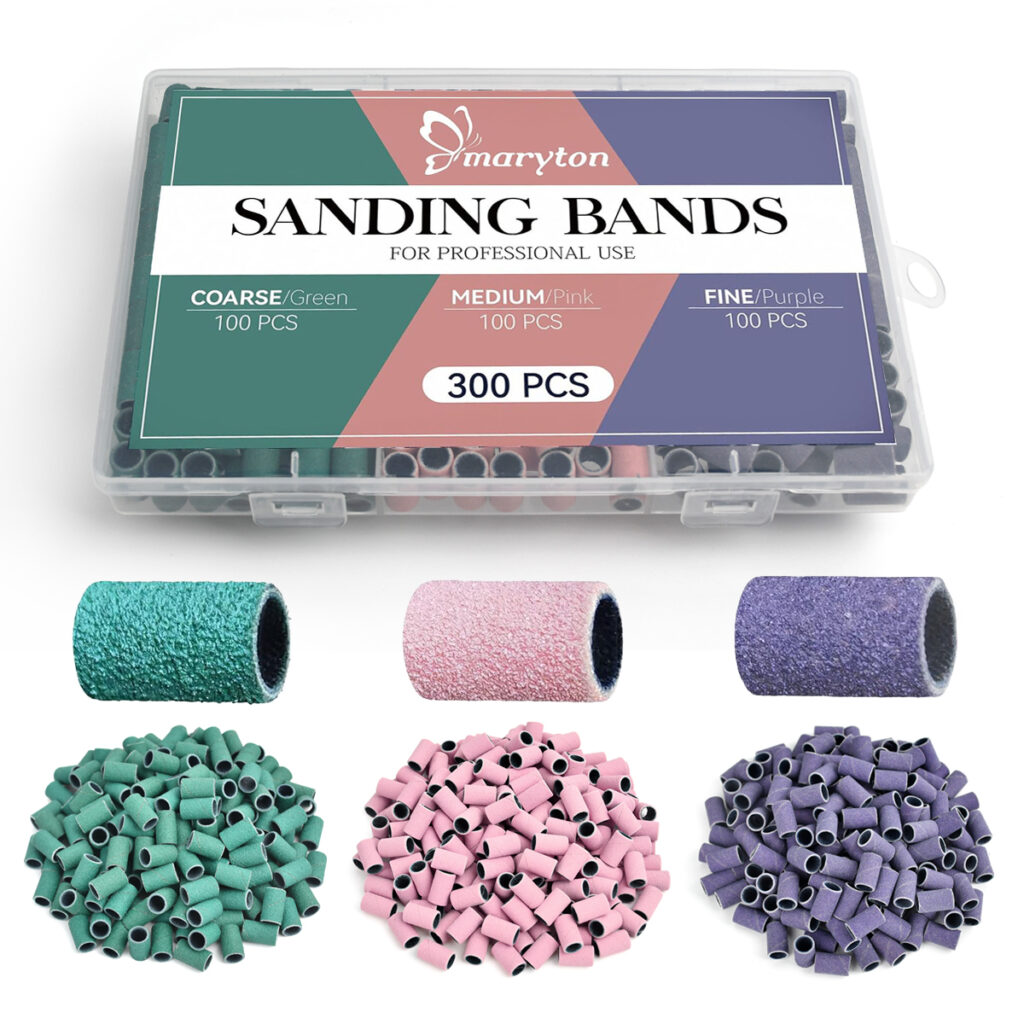
What you’ll need: 100% pure acetone, cotton balls or pads, aluminium foil, sanding bands, a wooden cuticle pusher, cuticle oil, and a rich hand cream.
Steps:
- File the top coat. Gently buff the shiny top layer off each false nail. This breaks the seal and allows the acetone to penetrate.
- Soak and wrap. Saturate a cotton ball with pure acetone and place it directly on the nail. Wrap the fingertip tightly with a small square of aluminium foil to hold the cotton in place and trap heat. The heat speeds up the dissolving process.
- Wait. Leave the wraps on for 10–15 minutes. Do not peek—unwrapping early releases acetone vapour and slows the process.
- Check and push. Unwrap one finger. The false nail should look soft and cracked. Using a wooden cuticle pusher, gently push the softened product from the cuticle toward the free edge. It should slide off with minimal effort.
- If gel or acrylic remains. If some product is still stuck, do not scrape—rewrap and wait another 5 minutes.
- Buff and hydrate. Once all product is removed, gently buff any residue from the nail surface. Wash your hands thoroughly and apply cuticle oil generously.
Never: Use metal tools to scrape off product. Never force the false nail off—if it resists, soak longer.
Method 3: The Oil and Warm Water Combo (A Gentler Alternative for Press‑Ons)
This method is useful if you prefer to avoid acetone or if you have sensitive skin. It works best for press‑ons attached with adhesive tabs or light glue.
What you’ll need: A bowl of warm water, a few drops of cuticle oil or olive oil, a wooden stick, and a towel.
Steps:
- Add a few drops of oil to a bowl of warm water.
- Soak your nails for 10–15 minutes. The oil helps break down the adhesive while moisturising the skin.
- Gently lift the edge of the press‑on with a wooden stick.
- If the nail resists, re‑soak for another 5 minutes.
- Once removed, apply cuticle oil to your nails and surrounding skin.
Important Precautions
Never, ever peel. Peeling is the number one cause of nail damage. It pulls off layers of your natural nail, leaving them thin, weak, and sometimes painful. This is especially harmful for gel and acrylic nails, which are chemically bonded to the nail plate and require time and patience to dissolve.
Protect your skin. Acetone is drying. Avoid prolonged skin contact. Apply cuticle oil immediately after removal.
Don’t force it. If the false nail does not slide off easily, soak longer. Forcing it will damage your natural nail.
Check for damage. After removal, check your natural nails. If they are thin, peeling, or sensitive, give them a break from enhancements.
Post‑Removal Care: Restoring Your Natural Nails
False nails can leave your natural nails dehydrated and weakened. Here is how to restore them.
Hydrate aggressively. Apply cuticle oil to each nail twice daily—morning and night. Massage it into the nail plate and surrounding skin. Jojoba oil is particularly effective because it mimics the skin’s natural oils.
Keep nails short. Freshly exposed nails are more fragile. Keep them trimmed to prevent breakage while they recover.
Use a nail strengthener. A keratin‑based or calcium‑based strengthener adds temporary support. Apply a thin layer once a day for the first week after removal.
Give your nails a break. Wait at least 24‑48 hours before applying a new set of false nails. This allows the nail plate to rehydrate fully. If possible, take a week off from enhancements to let your nails recover naturally.
Moisturise your hands. Use a rich hand cream after every wash to lock in moisture and keep the skin around your nails soft.
Eat for nail health. Nails are made of keratin—a protein. A diet rich in protein, iron, zinc, and biotin supports strong, healthy regrowth.
When to Consult a Professional
Most nail damage is preventable with proper care. However, there are times when you should see a professional:
If you notice signs of infection. Redness, swelling, pain, or pus around the nail bed. This may indicate a bacterial or fungal infection that requires medical treatment.
If your nails are severely damaged. If your natural nails are extremely thin, peeling, or painful after removal, a dermatologist or nail specialist can recommend restorative treatments.
If you have an allergic reaction. If you experience redness, itching, or swelling around the nail area after using certain products, you may have developed an allergy to acrylates or other nail chemicals.
If you have an underlying health condition. Conditions like diabetes or circulation issues require professional care. Always consult a doctor before any nail procedure.
If you are unsure. If you are not confident about the removal process, visit a professional technician. A salon will have the tools and expertise to remove your false nails safely and efficiently.
The Bottom Line
Removing false nails safely is about patience, not force. The acetone soak is the most effective method for glue‑on, gel, and acrylic nails. For press‑on nails with tabs, a warm soapy water soak is gentler and often sufficient. After removal, focus on rehydration and give your nails time to recover. If you notice signs of infection or severe damage, consult a professional. Your natural nails are the foundation for every beautiful manicure—treat them with care, and they will stay healthy and strong.
Read also: The Guide to Sanding Bands: Types, Selection, and Why They Matter
One Reply to “How to Safely Remove False Nails: Effective Methods, Aftercare, and When to See a Pro”